Epiphyte plants are forgiving only when they are planted in the way their structure expects. Anubias, Java fern, many Bucephalandra types, and aquarium mosses can grow on wood or stone instead of being rooted deeply in substrate. That makes them excellent for low-tech aquascapes, shaded corners, nano tanks, and layouts where plant groups need to move with the hardscape. It also creates one of the most common beginner mistakes: burying the rhizome because it looks like a root.
The rhizome is the thick horizontal stem that leaves and roots grow from. If it is buried in substrate or sealed under debris, it may rot. The roots can reach into cracks, wrap around wood, or explore the substrate surface, but the rhizome should stay exposed to water. Epiphyte Plants: Anubias, Java Fern, and Friends covers the plant family broadly. This guide focuses on the physical work of attaching those plants so they stay put without becoming a maintenance problem.
Choose The Attachment Point Before The Method
Many attachment problems begin because the aquarist chooses the method before choosing the place. A plant tied to a bad spot is still badly placed. Look at the hardscape from the main viewing angle, from above, and from the side where tools will enter. The plant should soften a line, frame a focal point, cover a joint, or create a transition from wood to stone. It should not block the only cleaning lane, hide a heater, or trap debris against the front glass.
A small Anubias tucked into the base of a branch can make the hardscape feel older. A Java fern on the rear of a stone can add height without planting roots deep in the substrate. Moss on a twig can make a nano layout feel detailed, but only if it can be trimmed. Hardscape Layout Basics for Planted Tanks is worth reading first because plant attachment should support the structure rather than compensate for a layout that has no maintenance access.
Think about growth direction. Leaves will turn toward light. Rhizomes may creep outward. Moss will thicken. A plant placed perfectly on day one may shade itself or cover the hardscape shape six weeks later. Leave room for the plant’s adult habit, not only its fresh-from-the-cup size.
Preparing The Plant
Before attaching anything, inspect the plant. Remove mushy leaves, dead roots, rock wool, gel, damaged tie material, and loose debris. Do this gently. Epiphytes often grow slowly, so a harsh cleaning session can remove more energy than the plant can quickly replace. Firm older leaves with minor marks can stay if they help the plant adjust.
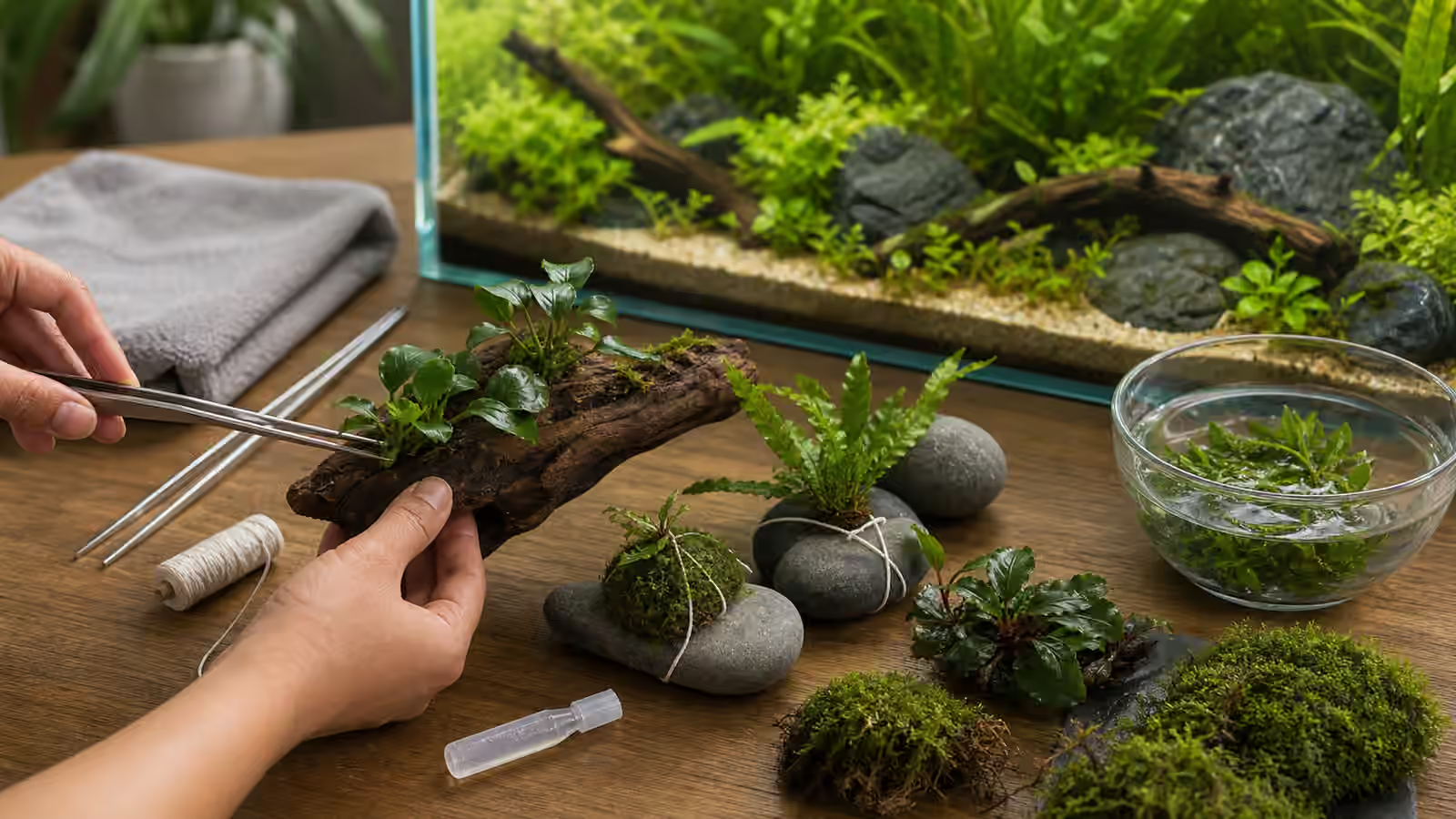
The rhizome should be visible. Roots can be shortened slightly if they are tangled or rotting, but do not shave a healthy plant down to a decorative nub. Roots are how the plant grips over time. Your thread or glue is a temporary support while the plant begins to hold the surface itself.
This is also a good moment for the inspection habits in Plant Quarantine and Pest Inspection . Epiphytes often have tight leaf bases and root clusters where snail eggs, algae strands, or damaged material can hide. A few calm minutes on a towel or in a shallow container are easier than discovering a problem after the plant is wedged into the display.
Thread, Line, And The Value Of Gentle Pressure
Thread is a traditional attachment method because it holds the plant without adhesives. Cotton thread may eventually break down. Fine fishing line lasts longer but can be harder to see and may become a hazard if loose loops remain. Whatever material you use, the pressure should be firm enough to keep the plant from floating away and gentle enough not to cut the rhizome.
Wrap around the hardscape, not around the plant alone. The thread should pin the rhizome or root mass against a surface while leaving leaves free. Avoid tight coils around tender stems. On wood, natural grooves help. On smooth stone, the plant may slide unless the stone has a notch, rough patch, or shape that catches the tie.
Trim loose ends. A long strand waving in the current can catch plant debris or worry small animals. If the tied piece will go into a tank with shrimp, fry, or curious fish, inspect from every angle. A tidy attachment is not only prettier. It is safer.
Glue Without The Mess
Cyanoacrylate gel is often used in aquariums because it can set quickly and hold plants to hardscape. The gel form is easier to control than a runny liquid. The common mistake is using too much. A large white blob can look ugly, irritate the aquarist every time the tank is viewed, and seal too much of the plant against the surface.
Use tiny contact points. Dry the hardscape surface as much as practical, place a small dot where roots or rhizome can touch, press briefly, and keep glue away from leaf centers and new growth. The goal is attachment, not encasement. Moss can be especially messy with glue because many fine strands may be crushed or whitened if the gel is smeared broadly.
Do glue work outside the stocked tank when possible. Let the piece set before returning it to water. If you must work wet, be conservative and keep animals away from the work area. Do not improvise with household glues, construction adhesives, or products with unknown additives. A planted aquarium is not the place to test a label you cannot interpret.
Wedges, Cracks, And Removable Planting
Sometimes the best attachment is no attachment. A rhizome can be gently wedged into a wood fork or stone crack if the fit is secure and not crushing. Roots can be guided around a branch. Moss can be tucked into a crevice where flow will not immediately lift it. This method keeps the plant movable, which is useful in tanks that are still being adjusted.
The risk is instability. A plant that loosens and drifts can shade other plants, clog an intake, or rot behind hardscape. Test the placement with gentle water movement before calling it done. If the piece shifts when you touch it lightly with tweezers, it will probably shift when the filter runs or a snail explores it.
Removable planting has real advantages. An epiphyte attached to a small stone can be lifted for trimming, algae removal, or rescape work. That is especially useful in nano aquariums where hands disturb everything. Rescape Without Crashing the Tank is easier when plant groups can move without ripping through the whole substrate.
Moss Needs Its Own Standard
Moss is not just a tiny version of Anubias. It spreads, traps debris, catches algae, and can become a dense mat that blocks flow. A thin layer usually attaches and grows better than a thick clump. If you tie a wad of moss to wood, the outside may green up while the inside browns and collects waste.
Spread moss thinly over the surface and secure it with thread, fine mesh designed for aquarium use, or very small glue points depending on the layout. Keep the attachment accessible for trimming. Moss near the substrate front can become a debris shelf. Moss near an intake can clog or draw in small animals if it grows uncontrolled.
Mosses for Nano Aquascapes goes deeper on selection and care. The important attachment lesson is restraint. Moss looks sparse at first because it needs room to become moss. If it looks finished on the first day, it may be too thick for long-term maintenance.
Aftercare And Patience
Newly attached epiphytes often look slightly awkward. Roots may be visible. Thread may show. Leaves may not yet face the right direction. Resist the urge to keep moving the plant every day. Each move breaks early attachment and delays adjustment. Give the plant stable light, clean water, and time.
Watch for rhizome rot, melting leaves, trapped debris, and algae. Slow-growing epiphytes can collect algae if light is intense, nutrients are unbalanced, or flow is weak. Their slow pace is part of their charm and part of their vulnerability. Light Balance for Aquatic Plants is relevant because blasting a slow plant with bright light rarely makes it grow fast enough to outpace algae.
Trim with the attachment in mind. Remove failing leaves at the base, but do not keep cutting every marked leaf until the plant has no energy left. If moss thickens, trim before the lower layer dies. If roots grip the hardscape, leave them alone unless they are trapping visible waste or interfering with the layout.
Attachment As Part Of The Aquascape
A well-attached epiphyte looks inevitable after it settles. The plant follows the wood grain, softens a stone edge, or adds shade where livestock can use it. It can be lifted, inspected, and maintained. It does not hide a problem or block a service path. That quiet fit is more important than making the plant invisible on day one.
Attachment is a small craft inside the larger aquarium craft. It asks you to understand plant anatomy, hardscape shape, water flow, livestock safety, and your own ability to maintain the scape. When those pieces line up, epiphytes become some of the most useful plants in the planted aquarium. They forgive modest light, they move with the layout, and they turn hardscape from decoration into living structure.