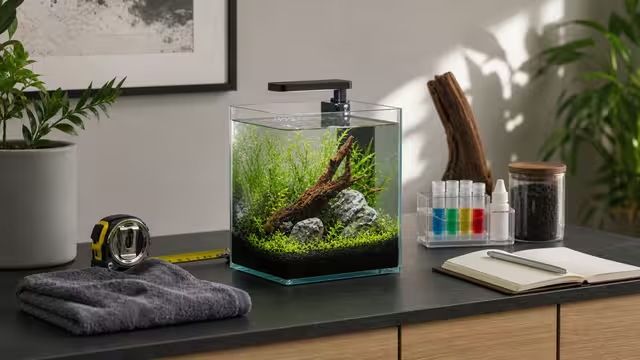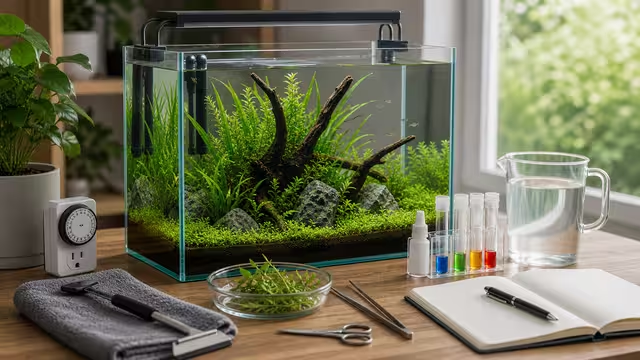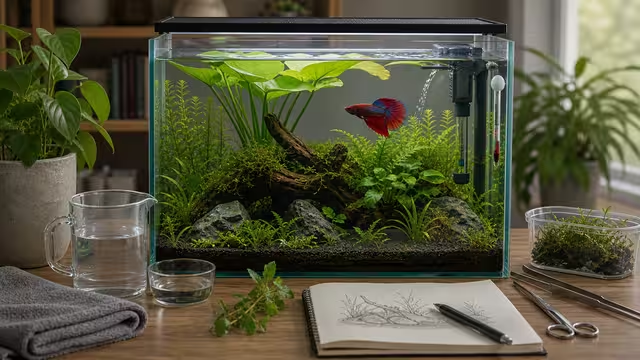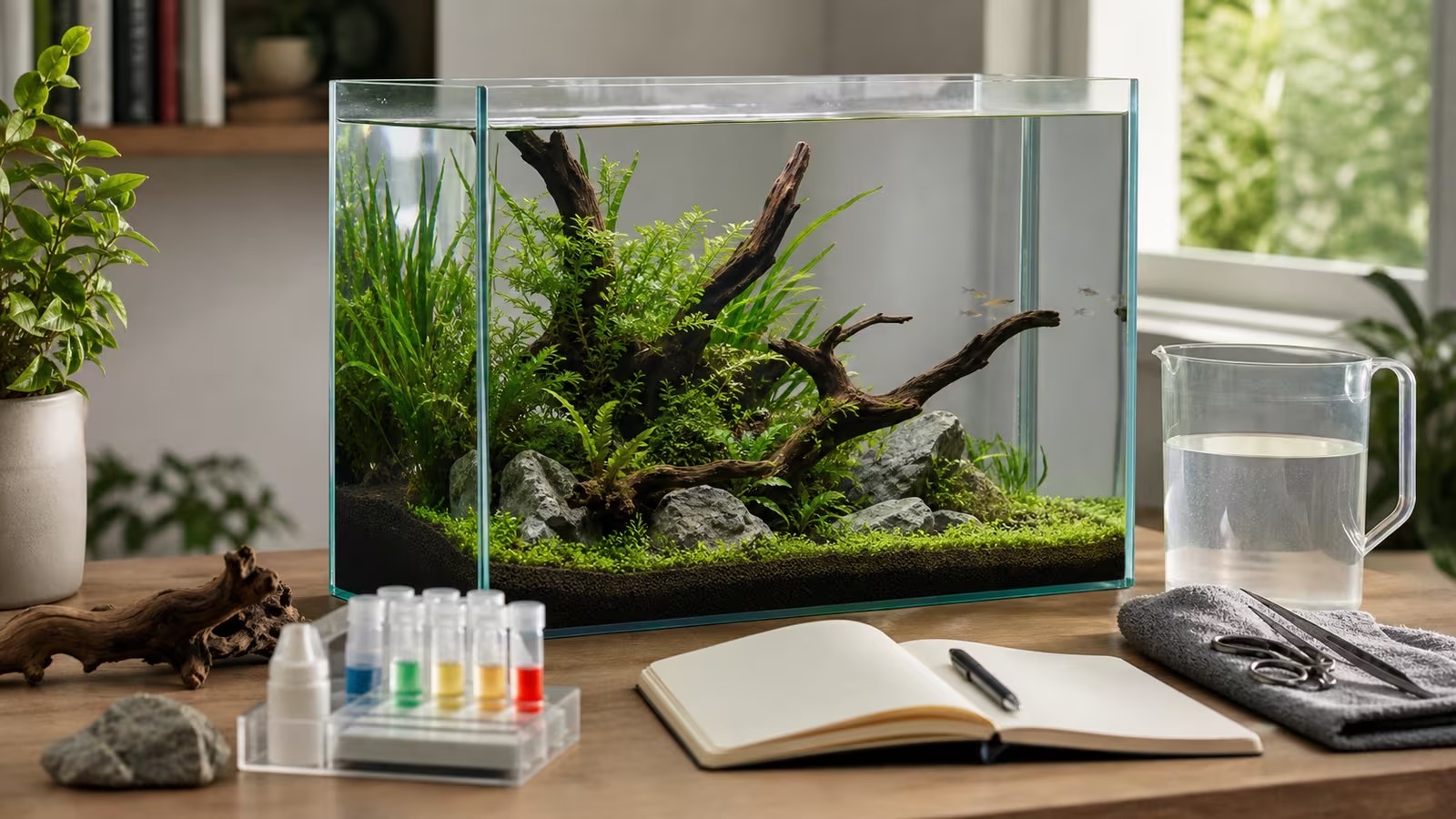
The first planted-aquarium decision is not the plant list, the fish list, or the photograph you want to copy. It is whether the tank can become a stable living system in the room where you plan to keep it. Water is heavy, animals are living beings, electricity sits nearby, and even a beautiful nano tank can become stressful when it is too small, overstocked, badly lit, or hard to maintain.
Aquascape Studio starts with restraint. Choose the tank and stand before choosing animals. Cycle the tank before stocking it. Plant heavily enough to help the system, but not so ambitiously that every plant needs high light, CO2, and constant trimming. Plan water changes before the first bucket is full. Decide where the cords, towels, siphon, test kit, and emergency cleanup supplies live before water can reach a floor, outlet, or bookshelf.
Start With The System
Think in this order: room, stand, tank, water, plants, cycle, animals, routine. A tank that looks small can still weigh more than expected once glass, water, substrate, rock, wood, equipment, and cabinet contents are included. A tank near direct sun can become an algae project. A tank on a decorative table can become a leak or tipping risk. A tank with cords running downhill into an outlet is not ready for water.
Once the physical setup is honest, choose the biological plan. A planted tank needs enough surface area for beneficial bacteria, enough filtration for the livestock plan, enough light for the plants, enough plant mass to compete with algae, and enough maintenance from you to keep the whole thing readable. Clear water is not proof that the tank is safe. Testing and time matter.
Beginner Sequence
| Step | What To Do Before Moving On |
|---|---|
| Place the tank | Confirm the surface is level, rated for the filled weight, away from direct sun, and close enough to safe power. |
| Build the hardscape | Arrange stone, wood, and substrate dry so heavy pieces are stable and cleaning access remains possible. |
| Plant first | Add hardy aquatic plants suited to low or moderate light. Expect some transition melt. |
| Cycle the tank | Track ammonia, nitrite, and nitrate. Do not add animals because the tank looks empty. |
| Stock slowly | Choose animals by adult size, group needs, temperature, water parameters, and behavior. |
| Maintain rhythm | Water changes, trimming, filter checks, top-offs, and observation become the real hobby. |
Common Mistakes
- Buying shrimp, snails, or fish the same day as the tank.
- Treating a nano tank as easier because it is smaller.
- Running strong light for long hours in a low-tech tank.
- Calling every algae spot a failure instead of a clue.
- Forgetting drip loops, towels, siphon control, and filled weight.
- Using one-size-fits-all stocking rules instead of species-specific research.
A Good First Goal
For the first month, success is not a contest aquascape. Success is stable water tests, living plants, no rushed animals, safe equipment, and a maintenance routine you actually perform. The tank can look sparse while plants establish. It can carry a little early algae while you tune light and nutrients. It can be beautiful without being crowded.
Related Fondsites Path
- Clear Water Lab for source water, testing, and filter-claim boundaries.
- Pawstead for animal welfare habits and when to call a qualified professional.
- Houseplant Clinic for plant observation, light restraint, and one-change-at-a-time thinking.
- Keepers Guild for maintenance records, leak prevention, repair limits, and safer DIY boundaries.
- Visual Prompt Lab for documenting aquascape layouts, alt text, captions, and image review.
Try This Next
Before shopping, write one page with the tank location, expected filled weight, desired plants, desired animals, cycling plan, water-change route, and emergency towel/bucket location. If any line is vague, solve that line before buying living things.