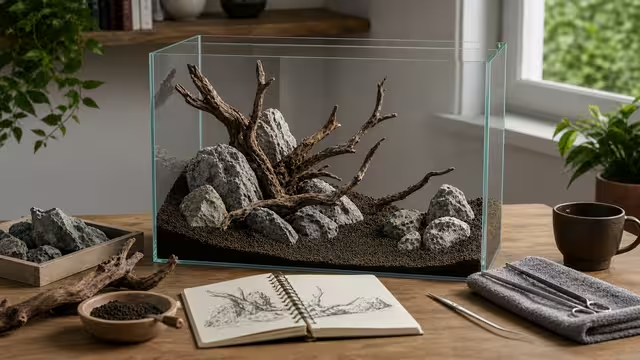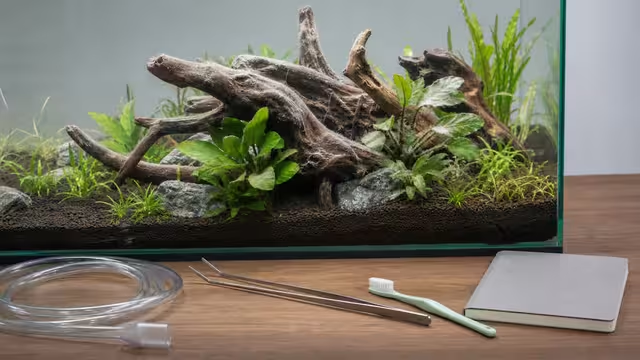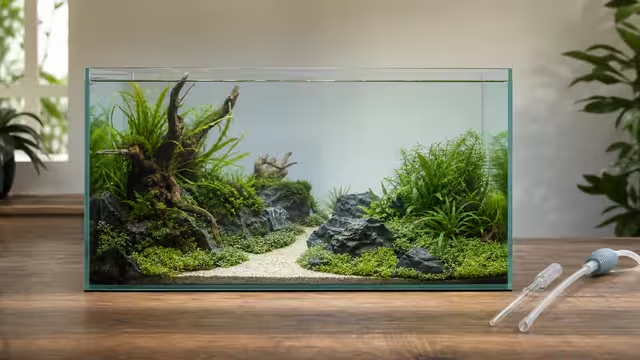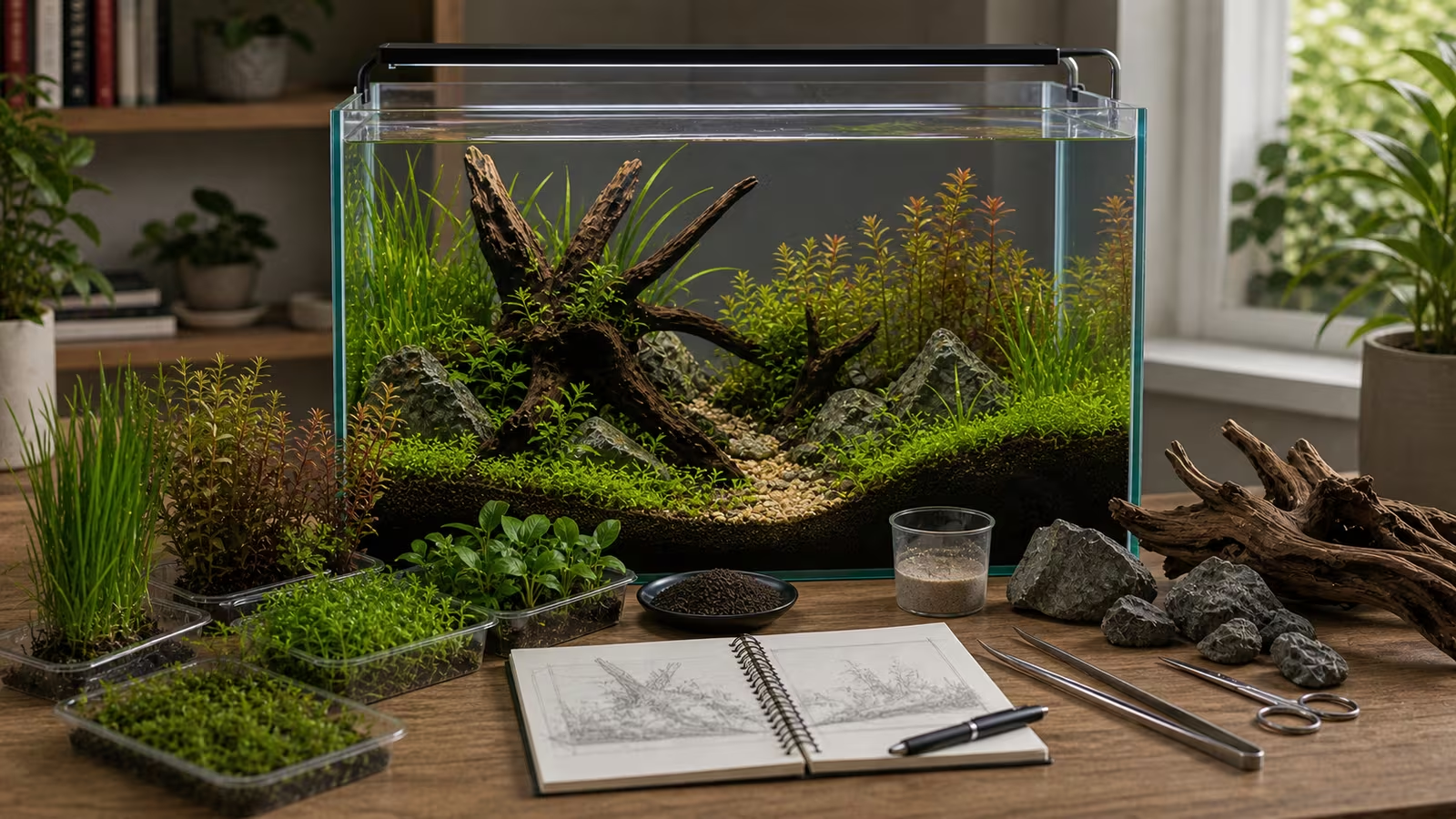
Aquascape composition is not about copying contest tanks. It is about arranging hardscape, plants, open space, and equipment so the tank looks intentional and can still be maintained. A beautiful layout that cannot be cleaned, trimmed, or stocked kindly is not a good beginner design.
Simple rules help because aquariums are small boxes. Every stone, branch, plant group, filter intake, heater, and shadow competes for attention.
Choose A Focal Area
Most aquascapes need one main area that draws the eye. It might be a stone group, a root shape, a plant mass, or a path of open substrate. If everything is equally loud, the tank feels busy.
Place the focal area off-center rather than dead center when it helps the scene feel natural. Then support it with smaller shapes that point toward it.
Use Slope And Depth
A substrate slope from front to back can make the tank look deeper. Larger hardscape in front and smaller pieces behind can also suggest distance. But slopes flatten over time if fish dig, flow is strong, or maintenance is rough. Support slopes with stones, roots, or planting where needed.
Leave Negative Space
Open sand, visible substrate, or clear swimming room can make planted areas look stronger. Beginners often fill every inch, then struggle to clean glass, catch debris, or see livestock. Empty space is part of the layout.
Group Plants By Job
| Plant Job | Layout Use |
|---|---|
| Background stems | Height, color, nutrient uptake, hiding equipment. |
| Midground rosettes | Structure and transitions around hardscape. |
| Epiphytes | Texture on wood and rock. |
| Foreground plants | Scale and open viewing areas. |
Common Mistakes
- Buying plants before deciding where they fit.
- Placing the largest stone in the exact center without a reason.
- Blocking maintenance access behind hardscape.
- Using too many plant species in a tiny tank.
- Forgetting how large plants will become.
Related Fondsites Path
- Hardscape Layout Basics for Planted Tanks for structure.
- Iwagumi, Nature Aquarium, and Dutch Style Basics for style vocabulary.
- Aquascape Photo Journal for tracking changes over time.
Try This Next
Before planting, take a photo of the empty hardscape. If the layout only works after every gap is hidden by plants, simplify it until the structure is readable on its own.