Aquarium placement is a safety decision before it is a decorating decision. A planted tank needs a stable surface, a sensible route for water changes, safe power, and enough room for maintenance. The wrong location can make a good tank feel impossible or turn a small leak into damaged flooring, furniture, books, electronics, or walls.
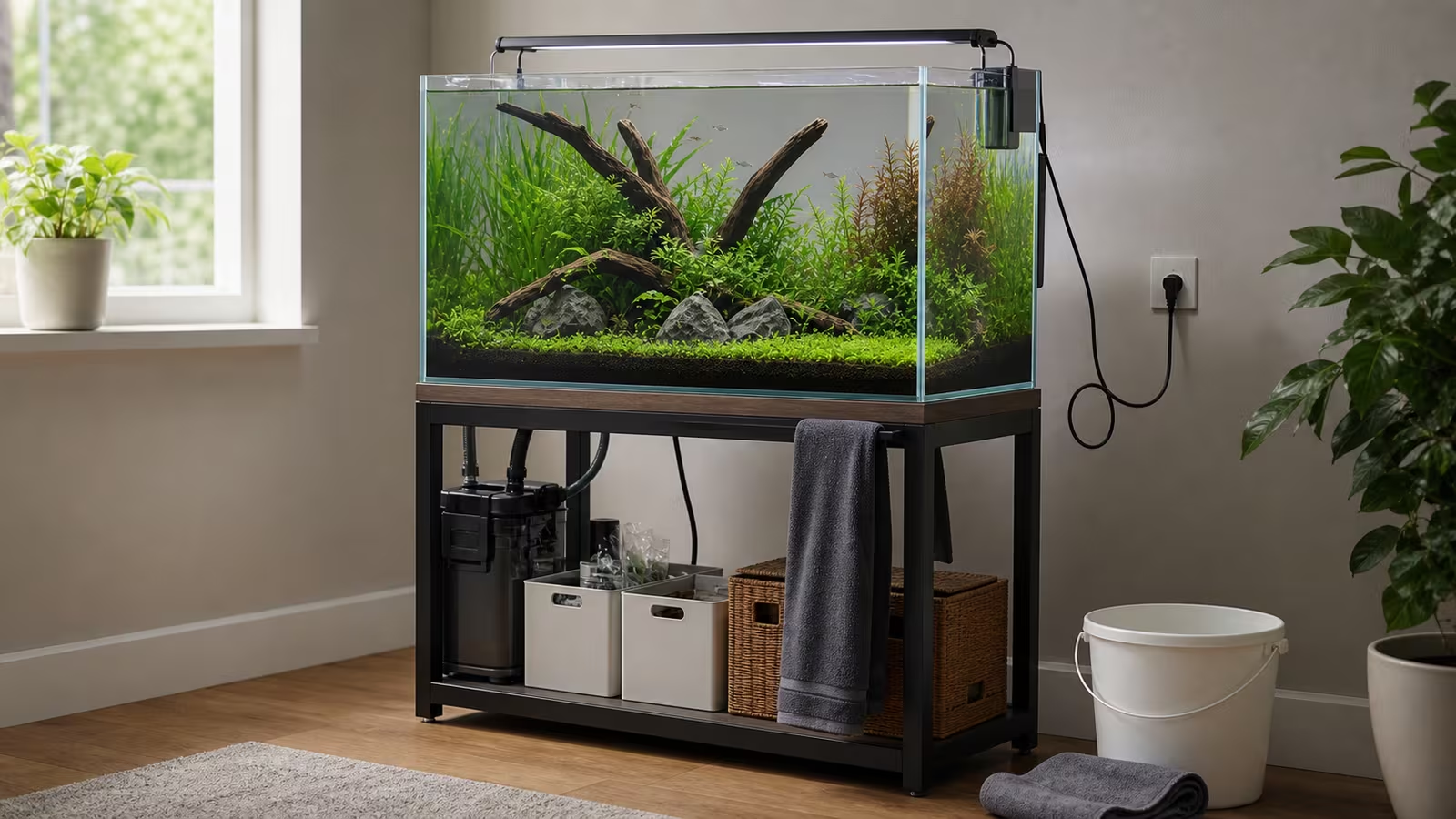
Do not trust a table because it feels sturdy when empty. Aquarium weight is continuous, concentrated, and unforgiving. Water, substrate, rock, wood, glass, equipment, and cabinet storage add up quickly. A stand also needs to stay level. Twisting or uneven support can stress glass and seams.
Location Checklist
| Check | Why It Matters |
|---|---|
| Rated stand | Decorative furniture may sag, rack, or fail under constant load. |
| Level surface | Uneven support can stress the tank and make water lines misleading. |
| Outlet safety | Drip loops help keep water from running along cords into outlets. |
| Direct sun | Sun can heat the tank and feed algae beyond your light plan. |
| Maintenance path | Buckets, hoses, towels, and hands need space every week. |
| Household traffic | Pets, children, chairs, doors, and backpacks can bump equipment. |
Power And Water Should Not Improvise
Every cord needs a drip loop. Power strips should not sit on the floor under the tank where water can reach them. Wet hands and plugs do not mix. Equipment should be unplugged safely when maintenance requires hands near intakes, heaters, or moving parts. Damaged heaters, cracked lights, buzzing plugs, or hot cords are not normal hobby quirks.
Also plan the route water will take during changes. A hose crossing a hallway, a bucket on carpet, or an unattended siphon can make maintenance risky. Keep towels and a bucket close enough that a spill response is automatic.
Common Mistakes
- Putting a tank on a desk, dresser, or shelf without knowing the load rating.
- Forgetting that rock and substrate add weight.
- Running cords straight down into a power strip.
- Placing a tank where direct sun hits it for hours.
- Leaving no room to reach filters, glass, plants, or valves.
- Setting a tank where a leak would immediately reach electronics.
Related Fondsites Path
- Keepers Guild for repair limits, maintenance records, and when not to DIY.
- Clear Water Lab for water-source and testing habits.
- Pawstead for pet-aware room setup and curious-animal boundaries.
Try This Next
Before filling, place the empty tank on the stand, check level front-to-back and side-to-side, trace every cord into a drip loop, and walk the water-change route with an empty bucket. If that feels awkward dry, it will feel worse with water.