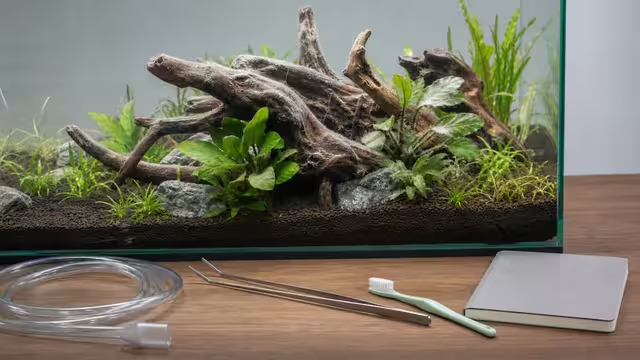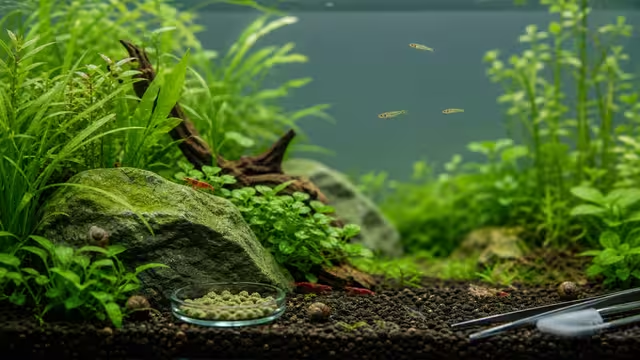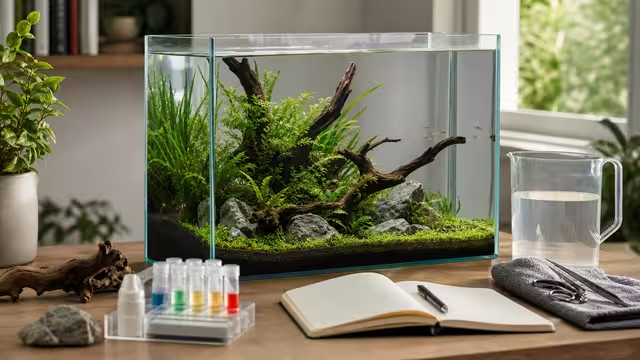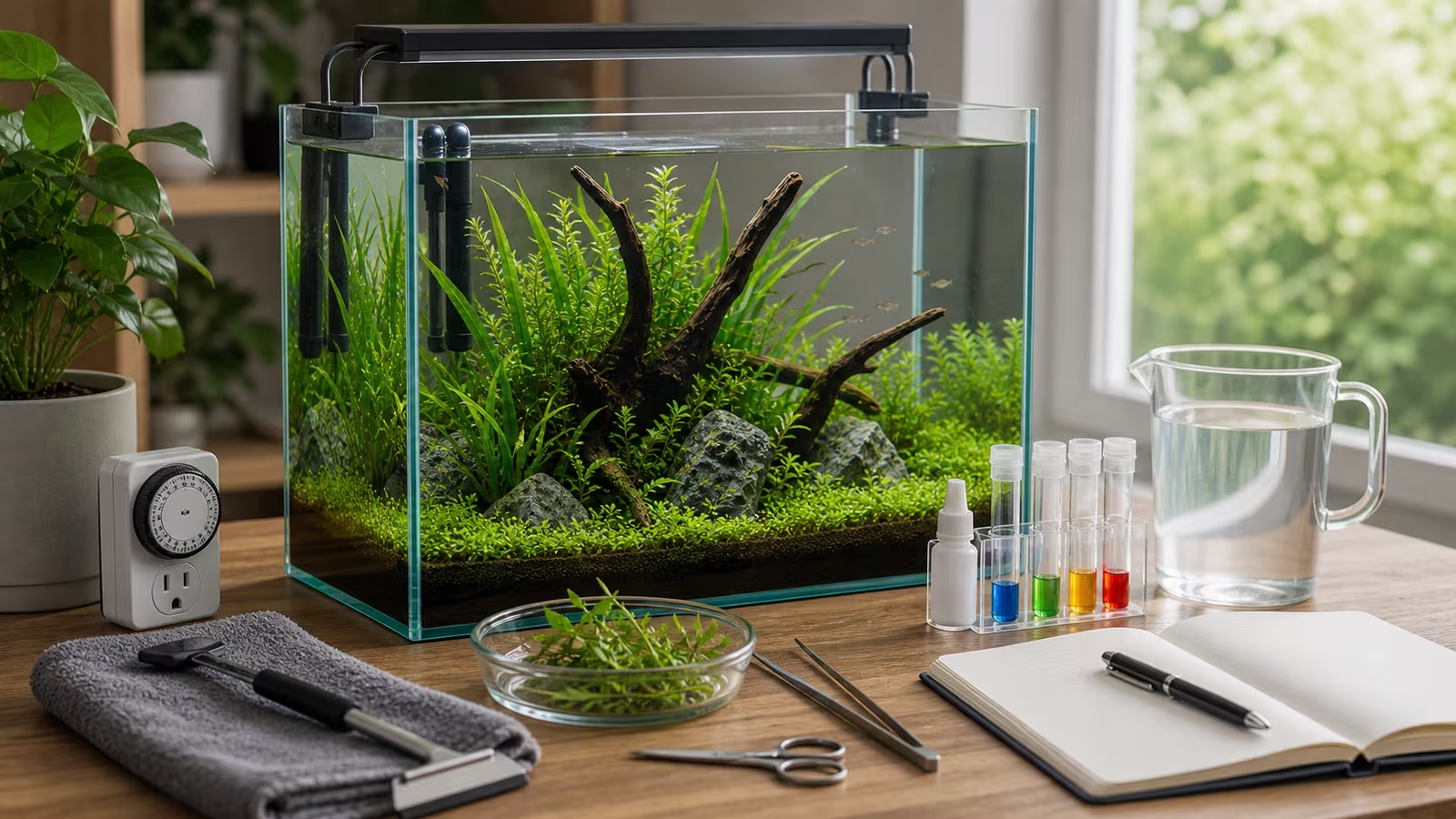
Algae is not a moral failure. It is a sign that light, nutrients, plant health, livestock waste, or maintenance may be out of balance. A new planted tank may show some algae while plants establish. A mature tank may show algae after overfeeding, long light hours, old bulbs, weak plant growth, decaying leaves, poor flow, or skipped water changes.
The best prevention is boring: consistent light, healthy plant mass, restrained feeding, regular water changes, gentle cleaning, and one change at a time.
First Checks
| Check | What To Ask |
|---|---|
| Light | How many hours, how intense, and is direct sun involved? |
| Feeding | Is food left over or disappearing into moss and substrate? |
| Plant mass | Are plants growing or melting and shedding? |
| Maintenance | Are water changes and debris removal consistent? |
| Flow | Are dead zones collecting waste? |
Prevention Habits
Use a timer. Remove dying leaves. Do not overfeed. Keep filters flowing. Trim plants before they shade everything below them. Add plant mass before adding more animals. Clean visible algae manually when it is easy, rather than waiting for a crisis.
Cleanup animals can be useful residents, but they are not an algae management plan by themselves. Snails, shrimp, and fish add waste too. They should be chosen for compatible care needs, not hired as disposable cleaning tools.
Common Mistakes
- Running lights for long hours and blaming fertilizer only.
- Adding algae-eating animals to a tank that cannot support them.
- Scrubbing everything sterile and damaging the biological filter.
- Treating every algae type with the same response.
- Ignoring decaying plant leaves.
Related Fondsites Path
- Algae Diagnosis Guide for clue-based next steps.
- Light Balance for Aquatic Plants for energy balance.
- Snails in Planted Tanks for responsible cleanup-crew thinking.
Try This Next
If algae appears, do three calm things first: check the light schedule, remove what you can manually, and review feeding. Wait long enough to see whether the tank responds before stacking more fixes.